· 3 min read · By White Buffalo Bespoke
A bathroom is a small room with a lot of trades in it: plumbing, electrics, tiling, joinery and decorating, all working in sequence. That is why planning matters more than square footage. Use this checklist before you sign off a quote.
1. Decide the layout
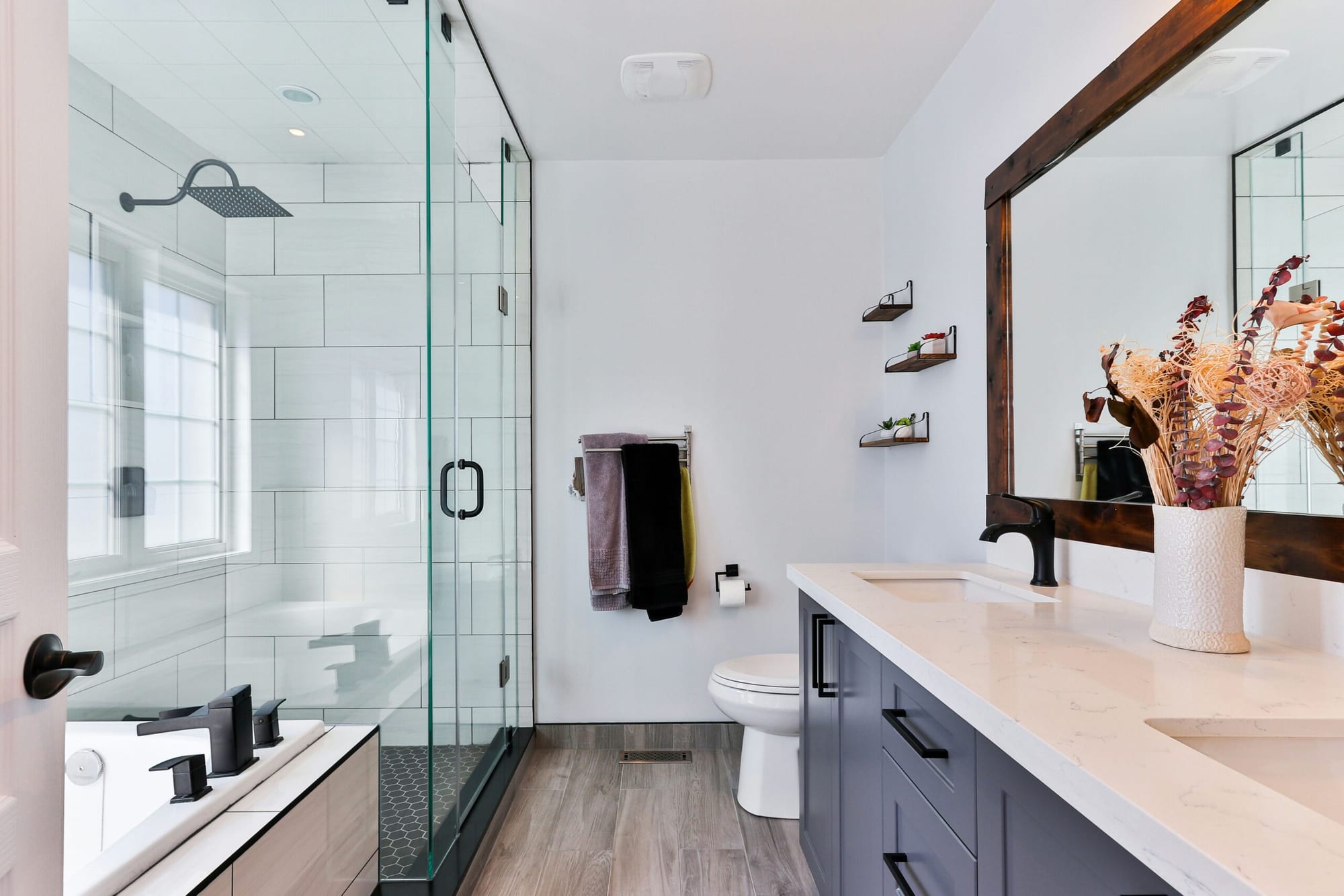
Start with how you use the room. Do you want a bath, a walk-in shower, or both? A wet room, where the whole floor is waterproofed and slopes to a drain, can make a small space feel larger, but it needs careful waterproofing.
2. Decide whether services will move
Keeping the toilet, basin and shower where they are is cheaper and quicker than moving waste pipes. If a new layout is worth the extra work, plan for it from the start.
3. Choose waterproofing, not just tiles
Tiles are not waterproof on their own. Showers and wet areas need a proper waterproof system behind the tiling, and good preparation of the floor and walls underneath. This is where cutting corners costs most later.
4. Pick tiles for the job
Large-format tiles mean fewer grout lines, which are easier to keep clean. Floor tiles should have a suitable slip resistance for a wet room. Order a little extra for cuts and breakages.
5. Sort your hot water and pressure
Some showers and taps need a certain water pressure to perform. Check what your system provides before choosing brassware, especially in homes with a combi boiler.
6. Plan ventilation
A good extractor fan protects your new decoration from damp and mould. Decide where it goes and where it vents to.
7. Plan lighting and electrics
Bathrooms have specific electrical rules about what can be installed where. All electrical work should be carried out by qualified electricians, with certification where required. Consider dimmable lighting, a shaver socket and a heated mirror.
8. Add heating
A heated towel rail keeps the room dry and comfortable. Underfloor heating under tiles is a popular upgrade if you are already lifting the floor.
9. Think about storage
Recessed niches in the shower, a mirrored cabinet or a bespoke unit make a bathroom feel calm. Decide where things go now, because they affect the wall build-up.
10. Order sanitaryware and brassware early
Have everything on site before the strip-out starts, or at least confirmed delivery dates. Missing a single part can hold up the whole schedule.
11. Allow a contingency
Older homes can hide rotten floorboards or outdated pipework. Setting aside around ten percent of the budget for the unexpected is sensible.
12. Plan for the disruption
If it is your only bathroom, think about where you will wash and use the toilet for a few weeks. It is usually manageable with some forward planning.
Getting it done
We provide an itemised fixed quote so there are no surprises half way through, our plumbing and electrical work is carried out by qualified tradespeople, and we keep the site tidy throughout. See our bathroom service, read the FAQ on certification, or request a quote.